Effective communication is one of the foundations of a successful organization. When employees understand their responsibilities, business priorities, and expectations, teams can work more efficiently toward common goals. However, when information is unclear, delayed, or inconsistent, even well-planned business operations can suffer.
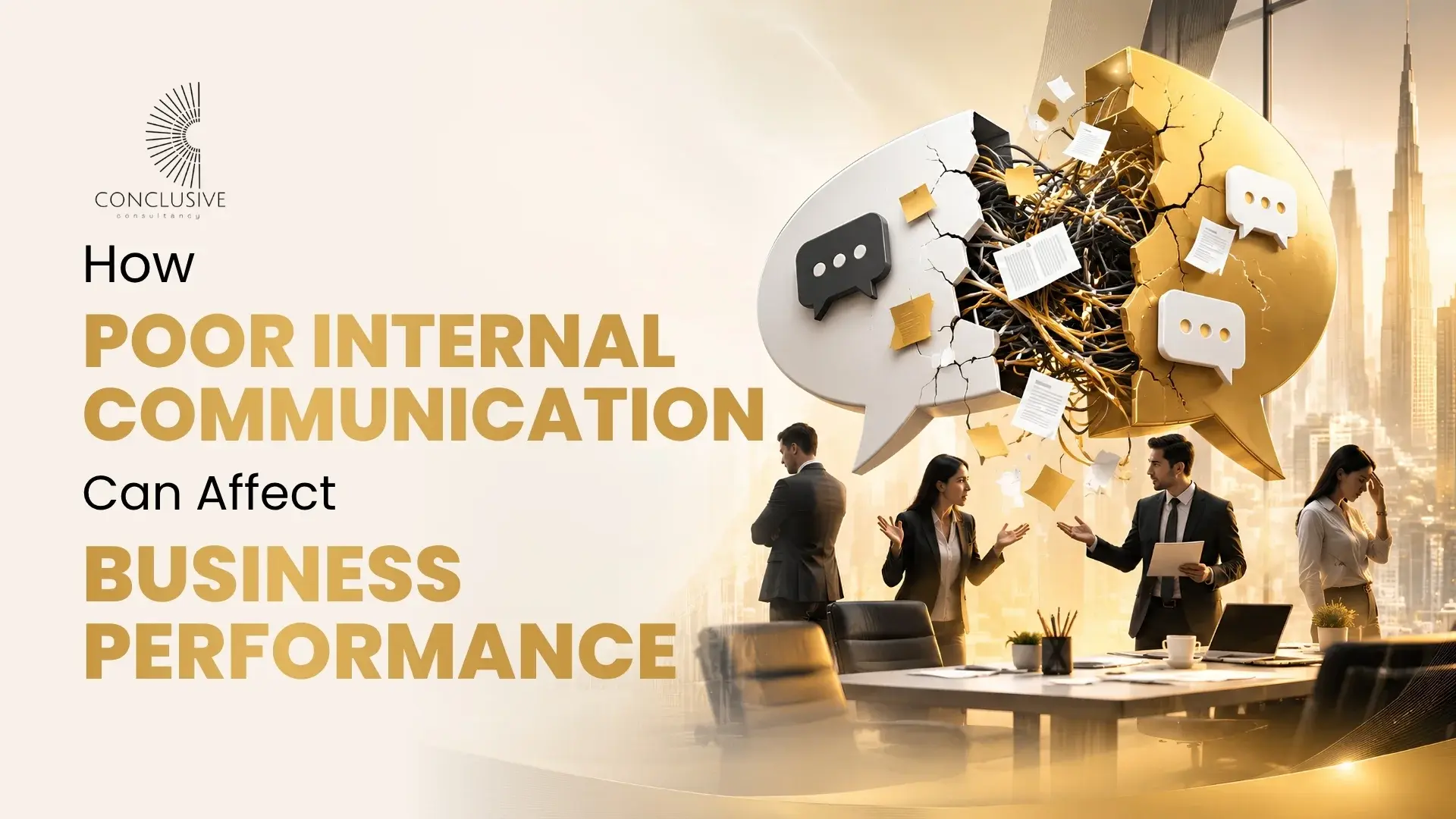
Poor internal communication can reduce productivity, delay decision-making, create workplace conflicts, lower employee engagement, and make it harder for teams to achieve business objectives. For this reason, businesses need a structured approach to Internal Communication that supports both employees and wider organizational goals.
What Is Poor Internal Communication?
Poor internal communication occurs when important information does not reach the right people at the right time or is not communicated clearly. It can happen between management and employees, across departments, or within individual teams.
Common signs include unclear instructions, inconsistent messages, limited feedback, communication delays, information silos, and confusion about responsibilities. For example, if a management decision is not communicated properly to the employees responsible for implementing it, teams may follow different processes or make avoidable mistakes.
Over time, these communication gaps can affect not only employee relationships but also overall business performance.
How Poor Internal Communication Affects Business Performance
1. Reduced Employee Productivity
Employees need accurate information to complete their work efficiently. When instructions are unclear or important information is difficult to access, employees may spend additional time searching for answers, confirming tasks, or correcting mistakes.
Poor communication can also result in duplicated work. Two teams may unknowingly work on the same task while another important responsibility is overlooked. Establishing clear communication channels helps employees understand what needs to be done and who is responsible for each activity.
2. Slower Decision-Making
Business decisions often depend on timely and accurate information. When communication between teams or leadership is slow, decision-makers may not have the information they need when they need it.
This can delay projects, approvals, problem-solving, and responses to changing market conditions. Strong Internal Communication ensures that relevant information moves efficiently across the organization, allowing leaders and employees to make better-informed decisions.
3. Lower Employee Engagement
Employees are more likely to feel connected to an organization when leadership communicates openly and consistently. In contrast, limited communication can make employees feel overlooked or disconnected from business priorities.
For example, if employees do not understand why a major organizational change is happening, they may become uncertain about their roles or future responsibilities. Regular updates, transparent explanations, and opportunities for feedback can help build trust and strengthen employee engagement.
4. Increased Workplace Conflicts
Miscommunication can easily lead to misunderstandings between employees and departments. When responsibilities are unclear or different teams receive conflicting instructions, disagreements can arise.
These conflicts can consume valuable time and negatively affect collaboration. Clear expectations and consistent communication reduce the possibility of misunderstandings and help teams focus on shared objectives.
5. Inconsistent Customer Experience
Internal communication problems can eventually become visible to customers. If sales, customer service, operations, and marketing teams are working with different information, customers may receive inconsistent answers or service.
A consistent internal flow of information helps employees deliver a more coordinated customer experience. This is particularly important for businesses where multiple teams interact with customers throughout the buying journey.
Why an Internal Communication Strategy Matters
An Internal Communication Strategy provides a structured framework for how information is shared within an organization. Instead of relying on informal conversations or scattered messages, businesses can establish clear processes for delivering important updates.
An effective strategy may include defined communication channels, regular leadership updates, employee feedback systems, clear responsibilities, and consistent messaging.
Internal communication should also support broader Business Strategy Development. Employees need to understand not only what the company is doing but also why specific goals and priorities matter. When business strategy and internal communication are aligned, employees can make decisions that support organizational objectives.
The Role of Communication During Business Change and Crisis
Communication becomes even more important when businesses face significant changes or unexpected situations.
Change Management Communication helps employees understand changes such as restructuring, new technology, leadership transitions, mergers, or changes in business processes. Explaining what is changing, why it is necessary, and how employees will be affected can reduce uncertainty and resistance.
Similarly, Crisis Communication plays an important role when an organization faces an unexpected challenge. During a crisis, employees need accurate and timely information so they know how to respond. Delayed or contradictory messages can increase confusion and create unnecessary concern.
A structured communication approach allows organizations to maintain clarity and coordination when circumstances are changing quickly.
How Can Businesses Improve Internal Communication?
Businesses can take several practical steps to improve communication across their organizations:
- Define communication responsibilities: Make it clear who is responsible for sharing specific types of information.
- Choose the right communication channels: Use email, meetings, collaboration platforms, or internal announcements based on the nature of the message.
- Encourage two-way communication: Employees should have opportunities to ask questions and provide feedback.
- Keep messaging consistent: Leadership and different departments should communicate aligned information.
- Share important updates promptly: Delayed information can create confusion and encourage assumptions.
- Review communication regularly: Businesses should evaluate whether employees are receiving and understanding important information.
These steps can create a more transparent workplace and help teams remain aligned with organizational priorities.
Make Internal Communication a Strategic Priority
Poor communication can create problems that extend far beyond everyday workplace misunderstandings. It can influence productivity, employee engagement, decision-making, collaboration, customer experience, and ultimately business performance.
A strong Internal Communication approach gives organizations a clearer way to connect employees with business priorities. By developing an effective Internal Communication Strategy, supporting change through clear communication, and preparing for crisis situations, businesses can create stronger alignment and improve organizational resilience.
For businesses looking to connect communication with broader strategic goals, professional guidance can help create a more structured and effective approach to organizational growth.
Also Read- Business Growth Planning: 7 Steps UAE Companies Can Use to Scale Smarter
Frequently Asked Questions
What is the impact of poor internal communication on a business?
Poor internal communication can reduce productivity, slow decision-making, increase workplace conflict, weaken employee engagement, and create inconsistent customer experiences.
How does poor communication affect employee productivity?
Employees may waste time searching for information, clarifying instructions, correcting mistakes, or completing duplicated work when communication is unclear.
Why is an internal communication strategy important?
An Internal Communication Strategy creates a structured approach to sharing information, improving transparency, supporting collaboration, and keeping employees aligned with business objectives.
How does communication support change management?
Effective Change Management Communication explains why a change is necessary, what employees can expect, and how their responsibilities may be affected, helping reduce uncertainty and resistance.
Why is communication important during a business crisis?
Crisis Communication helps employees receive accurate and timely information, understand their responsibilities, and respond consistently during unexpected situations.






1 Comment
[…] Also Read- How Poor Internal Communication Can Affect Business Performance […]